
Mau Asam Travel
With us you're just better off!
011 599 9 788 9969
+599-9-674 0555 (WhatsApp)
With us you're just better off!
011 599 9 788 9969
+599-9-674 0555 (WhatsApp)

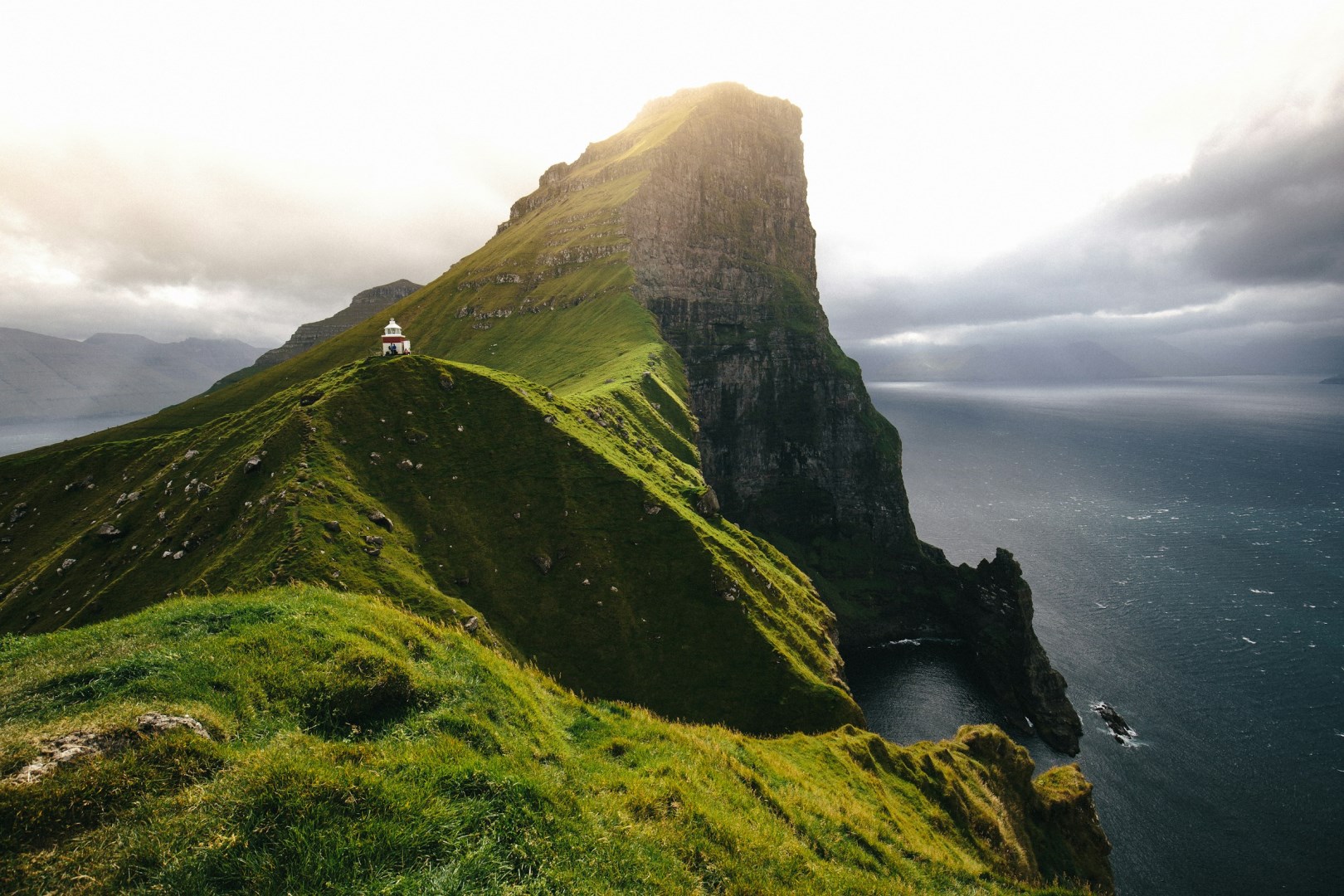

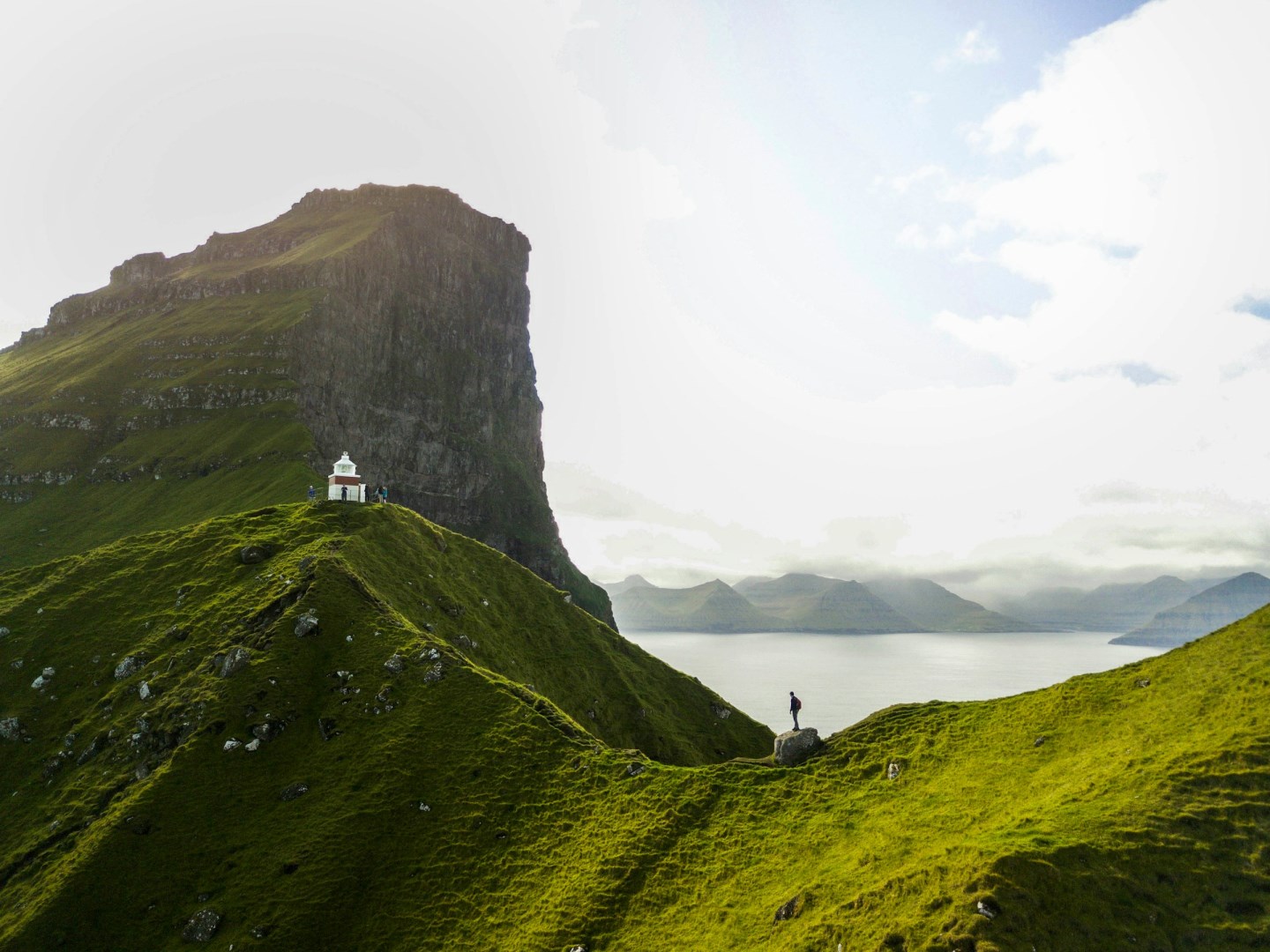


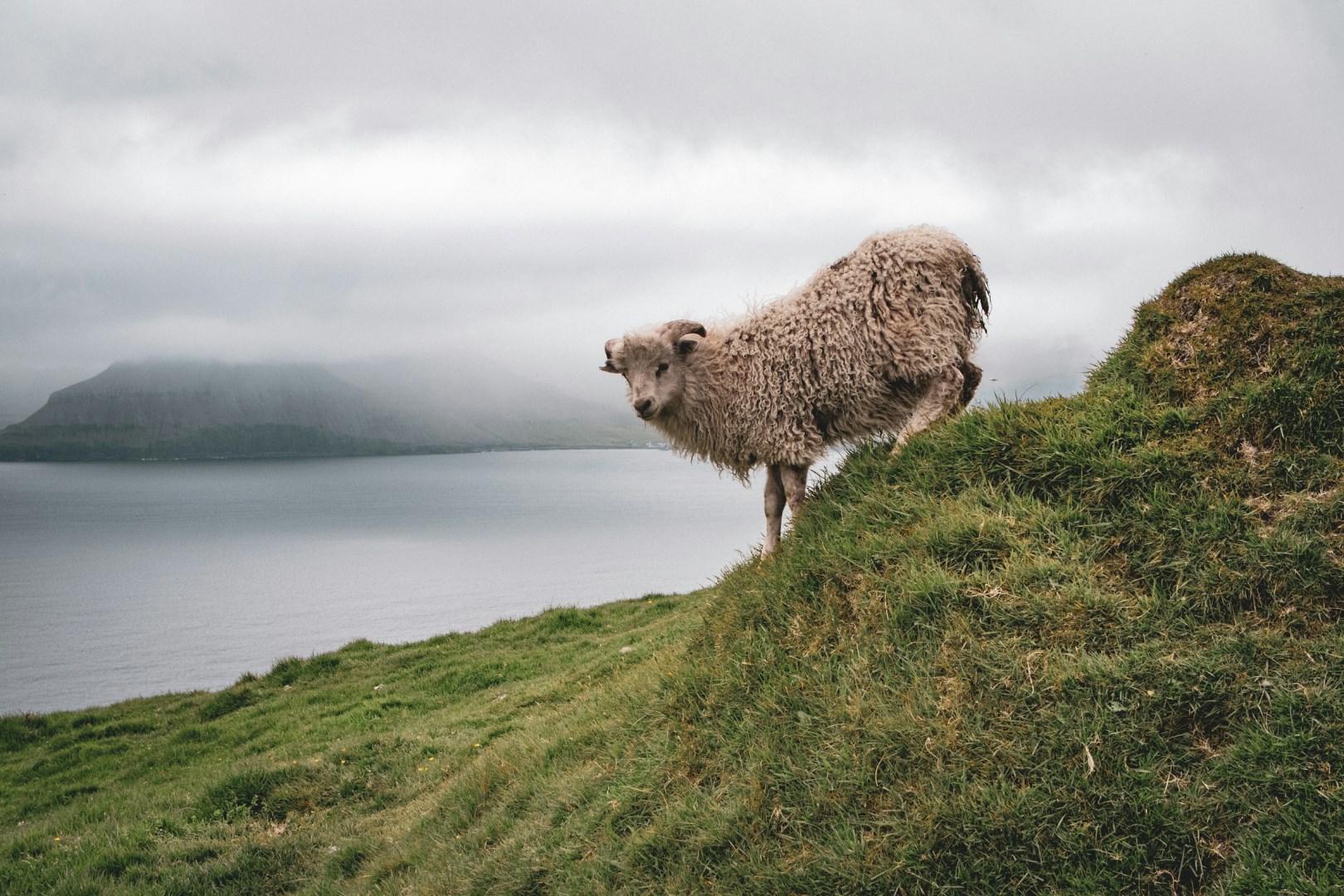
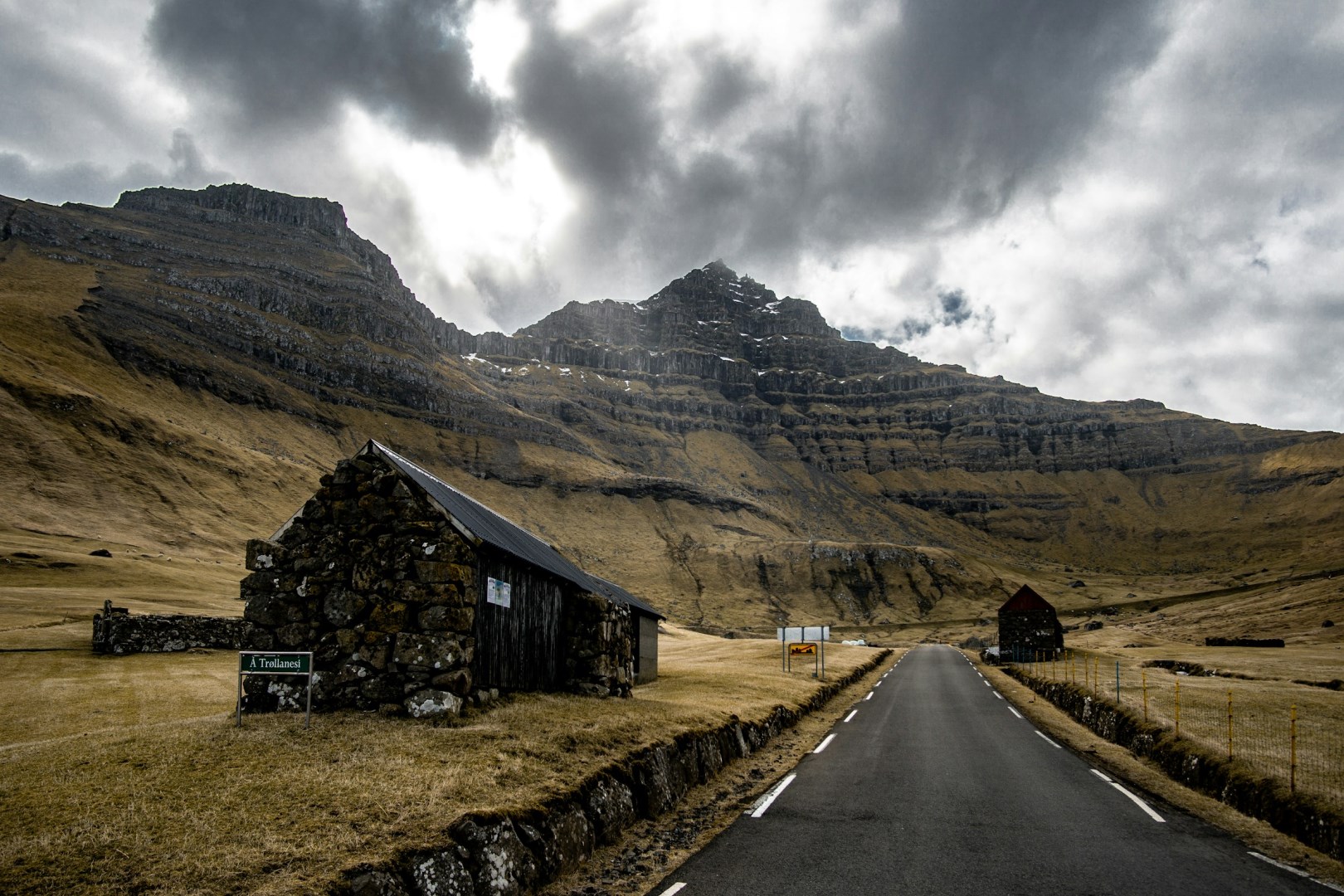
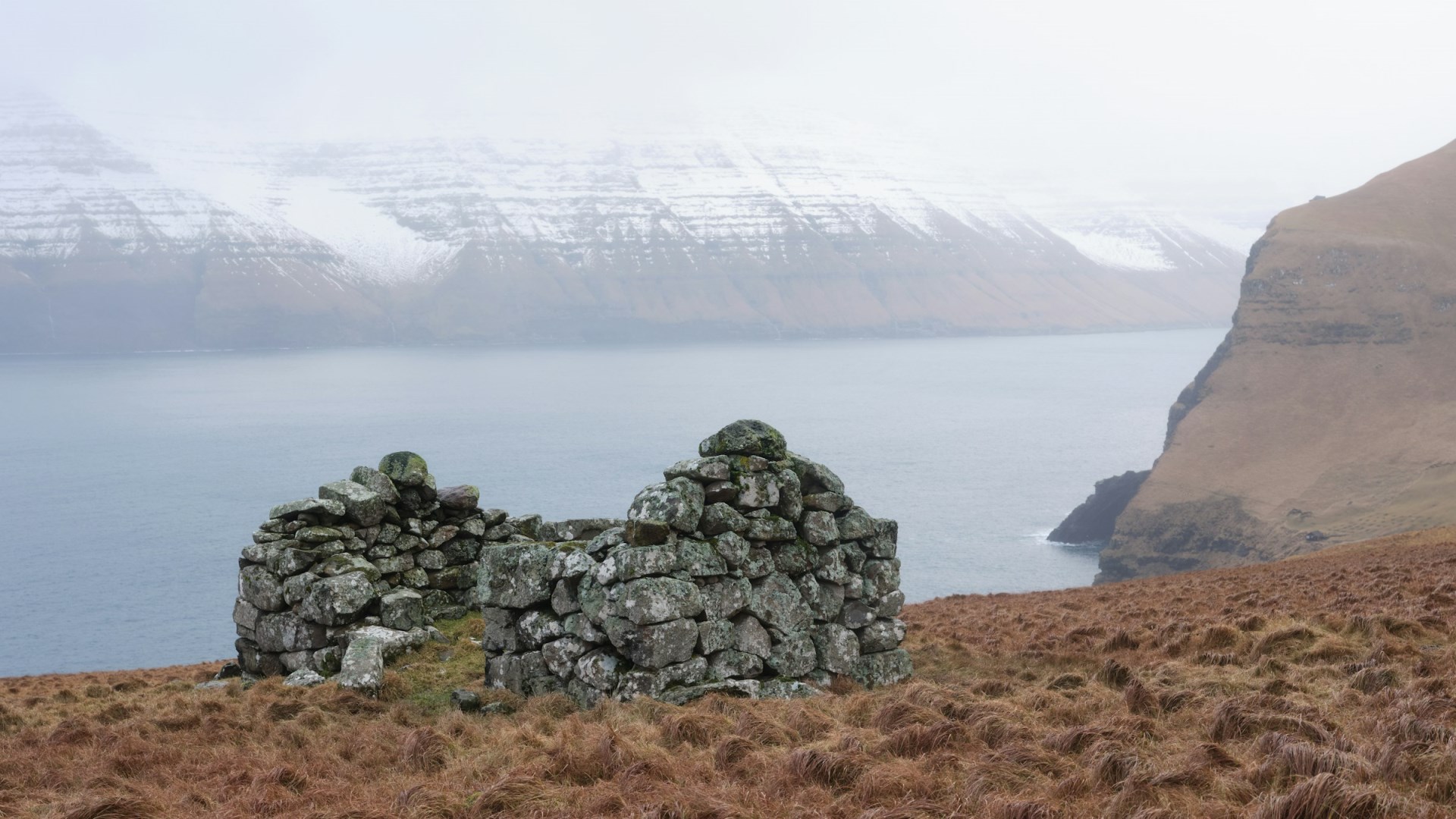
Kalsoy is a narrow, mountainous island in the northern Faroe Islands, known for its steep eastern cliffs, deep valleys, and small settlements along the western side. The island is reached by ferry from Klaksvík, and its road passes through several short tunnels as it connects the villages of Húsar, Mikladalur, and Trøllanes. Much of Kalsoy remains open pasture and rugged mountain terrain, with the sea visible from almost every part of the island. Its elongated shape and limited road network give it a particularly remote character within the Faroese archipelago.
Kalsoy has a strong connection with Faroese folklore, particularly through the legend of the Seal Woman, or Kópakonan, associated with the village of Mikladalur. A sculpture of the mythical figure stands beside the sea and has become one of the island’s best-known cultural landmarks. Traditional village life has also been shaped by sheep farming, fishing, and the challenges of living on an isolated island. The village of Trøllanes, at the northern end of Kalsoy, takes its name from a place associated with trolls in local tradition, reflecting the way folklore and the dramatic landscape are closely linked.
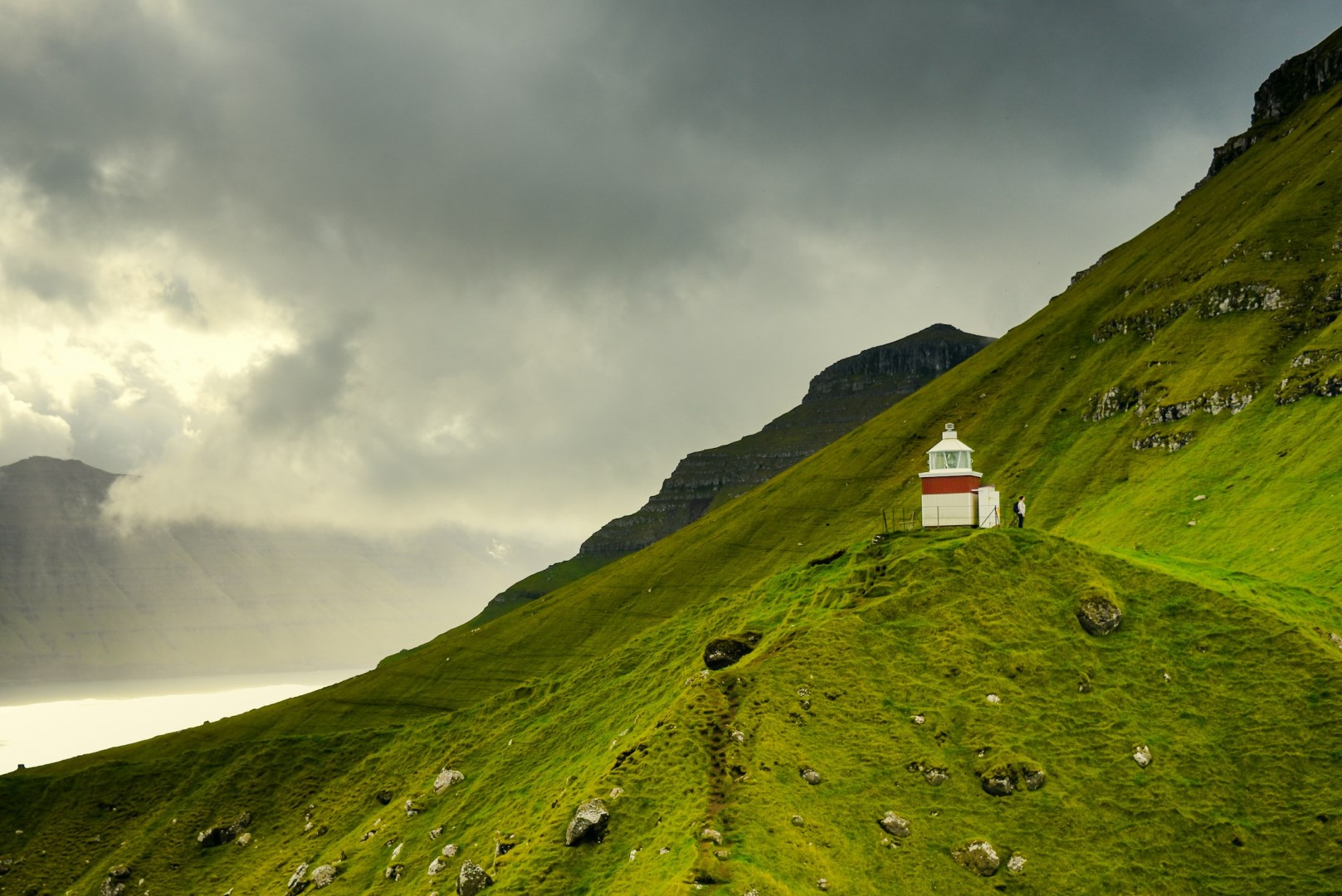
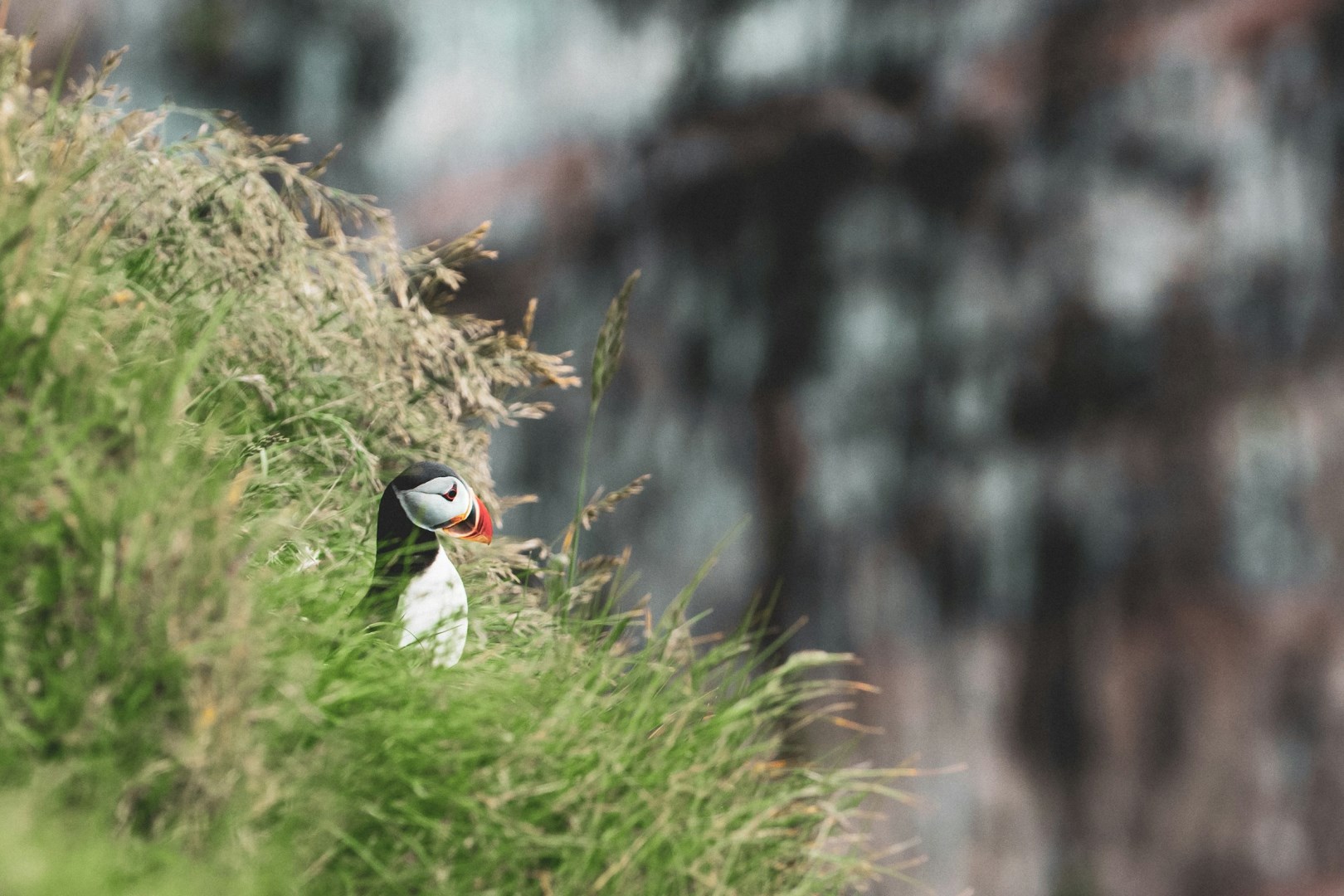
Kalsoy’s mountains provide some of the most recognizable scenery in the northern Faroe Islands. The hike from Trøllanes to Kallur Lighthouse follows a marked route across steep grassland and leads to views of surrounding islands and the North Atlantic. A monument to the Faroese writer and politician Símun av Skarði stands near the lighthouse, while the cliffs around the northern tip offer broad views across the archipelago. The route can be exposed and muddy, especially in poor weather. Kalsoy is also known for its many seabirds, which use the island’s cliffs for nesting.
Kalsoy’s food traditions are rooted in the wider Faroese diet, where lamb, fish, potatoes, and other locally available ingredients have long been important. The island’s small settlements have historically depended on sheep farming and fishing, with seasonal work closely tied to the surrounding sea and pasture. Visitors can find limited food services, so planning ahead is important, particularly when traveling by ferry. One of Kalsoy’s distinctive features is its network of road tunnels, which are unusually narrow and give the journey between villages a character quite different from travel on larger Faroese islands.

