Mau Asam Travel
With us you're just better off!
011 599 9 788 9969
+599-9-674 0555 (WhatsApp)
With us you're just better off!
011 599 9 788 9969
+599-9-674 0555 (WhatsApp)

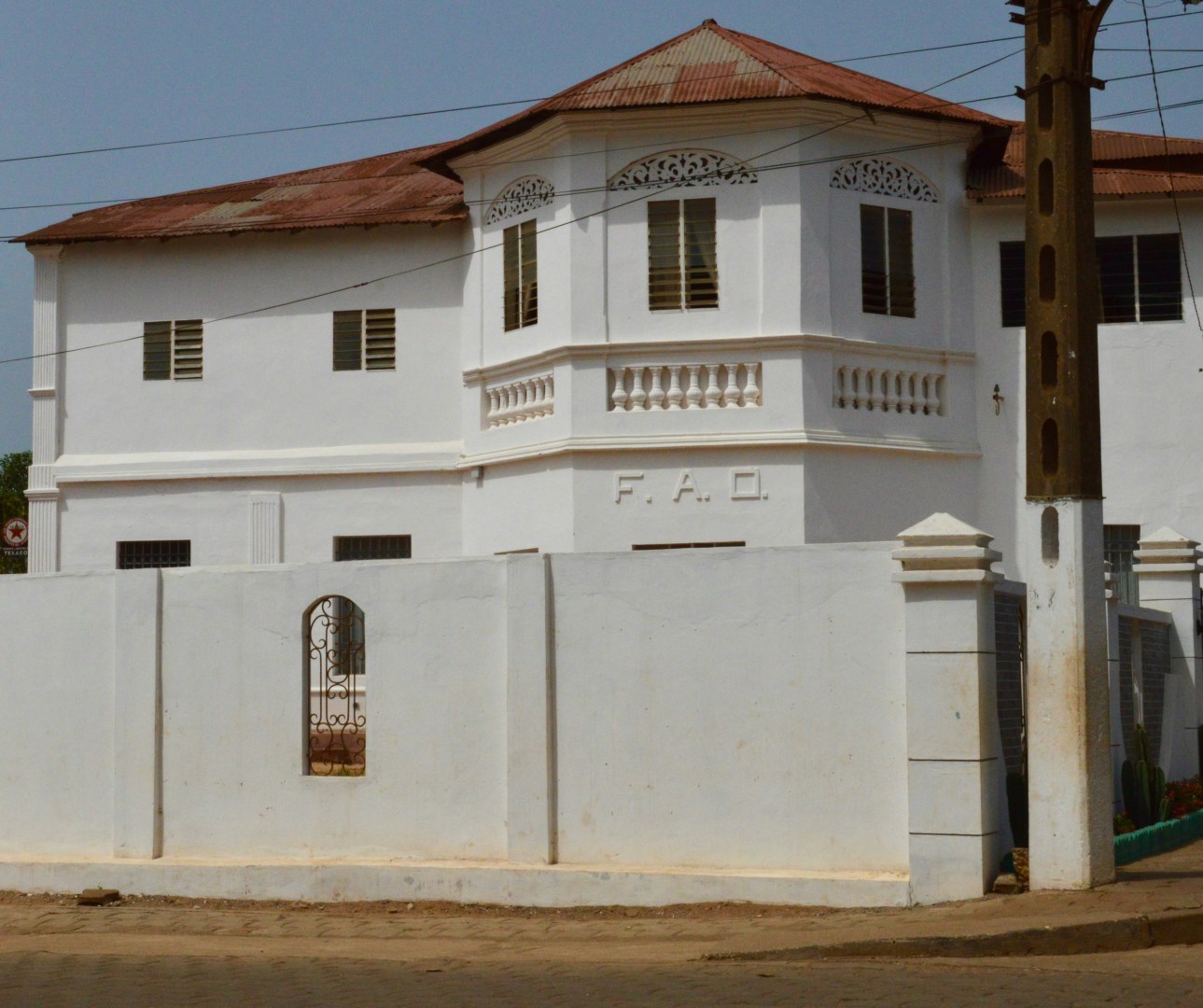



Ouidah is a coastal city in southern Benin, situated between the Atlantic Ocean and a network of lagoons and wetlands. It is one of the country’s most historically significant destinations and is known for its connections to the Atlantic slave trade, religious traditions, and cultural heritage. The city has a quieter atmosphere than Benin’s larger urban centers, with broad streets, colonial-era buildings, and neighborhoods shaped by centuries of interaction between African, European, and Afro-Brazilian communities. Ouidah’s location near the coast has also influenced its economy, cuisine, and cultural identity.
The culture of Ouidah is closely associated with Vodun, often known internationally as Vodou or Voodoo. The city is considered one of the most important centers of Vodun practice in West Africa, and religious ceremonies, shrines, and festivals remain important parts of community life. Ouidah is also home to the annual Vodun Festival, which attracts participants from across Benin and the wider African diaspora. Afro-Brazilian influences can be seen in local architecture, traditions, and family histories, reflecting the return of formerly enslaved people and their descendants from Brazil to the Gulf of Guinea.
Many of Ouidah’s major attractions are linked to its historical and cultural significance. The Route des Esclaves traces the path taken by enslaved Africans from the city to the coast and ends at the Door of No Return, a memorial arch overlooking the Atlantic Ocean. The Ouidah Museum of History, housed within a former Portuguese fort, presents exhibits on local kingdoms, trade, and cultural traditions. Sacred Forest of Kpassè, located near the city center, contains statues, shrines, and vegetation associated with local spiritual beliefs. Nearby beaches and coastal landscapes provide additional opportunities to explore the region’s natural environment.
Food in Ouidah reflects the culinary traditions of southern Benin, with dishes based on maize, cassava, beans, fish, and palm oil. Popular meals include grilled fish, sauces flavored with local spices, and akassa, a fermented maize dish commonly served throughout the region. One distinctive aspect of Ouidah is the visible coexistence of historical memory and living spiritual traditions, with monuments, temples, churches, and cultural sites often located close to one another. This combination of heritage, religion, and coastal geography makes Ouidah one of the most culturally important cities in Benin.